The operating system built for today
The systems we use every day were designed decades ago. OSCortex is a general-purpose OS written from scratch for now — a Dart kernel on a memory-safe Rust substrate, every app isolated, software that arrives on demand, and updates that apply live.
Free while in development · x86_64 & ARM64 · open source
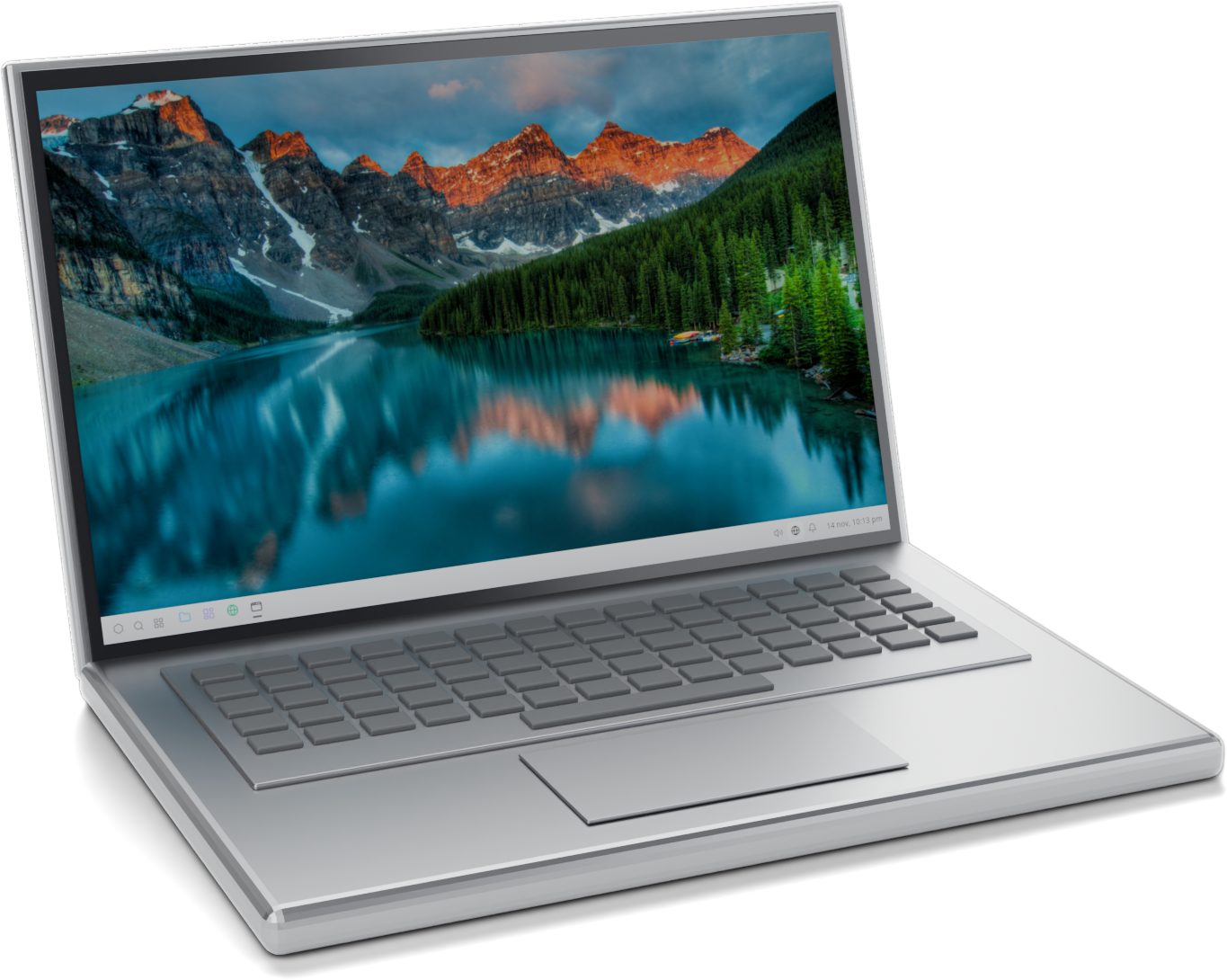
An OS without the baggage.
Not a Linux distribution, not a skin — a new operating system, written from the metal up, that works the way software works now.
A crash is a blip
Every app — including the shell — runs as its own kernel process with its own memory. One dies, the OS recovers it in milliseconds; your desktop never goes down.
Boots in under 1.5 seconds
Bootloader → kernel → desktop. No init stack, no service manager, no login-screen queue. Cold power to a live interface before a traditional OS finishes probing.
Apps arrive, nothing installs
Software works like the web: tap an app and it streams in — signed, SHA-256 verified, cached, gone when you need the space. No installers, no package manager.
Updates apply live
Signed updates verify, stage, and swap in while you work — no reboot, no “don’t turn off your computer.” If anything regresses, rollback is instant.
Secure by architecture
A memory-safe native substrate, capability-based access control, and no decades of accumulated attack surface. Isolation is the default, not a sandbox bolted on.
One codebase, any machine
x86_64 and ARM64 from a single source tree — your desktop, a laptop, or the Raspberry Pi on your shelf. Same kernel, same runtime, same APIs.
One system, one design language.
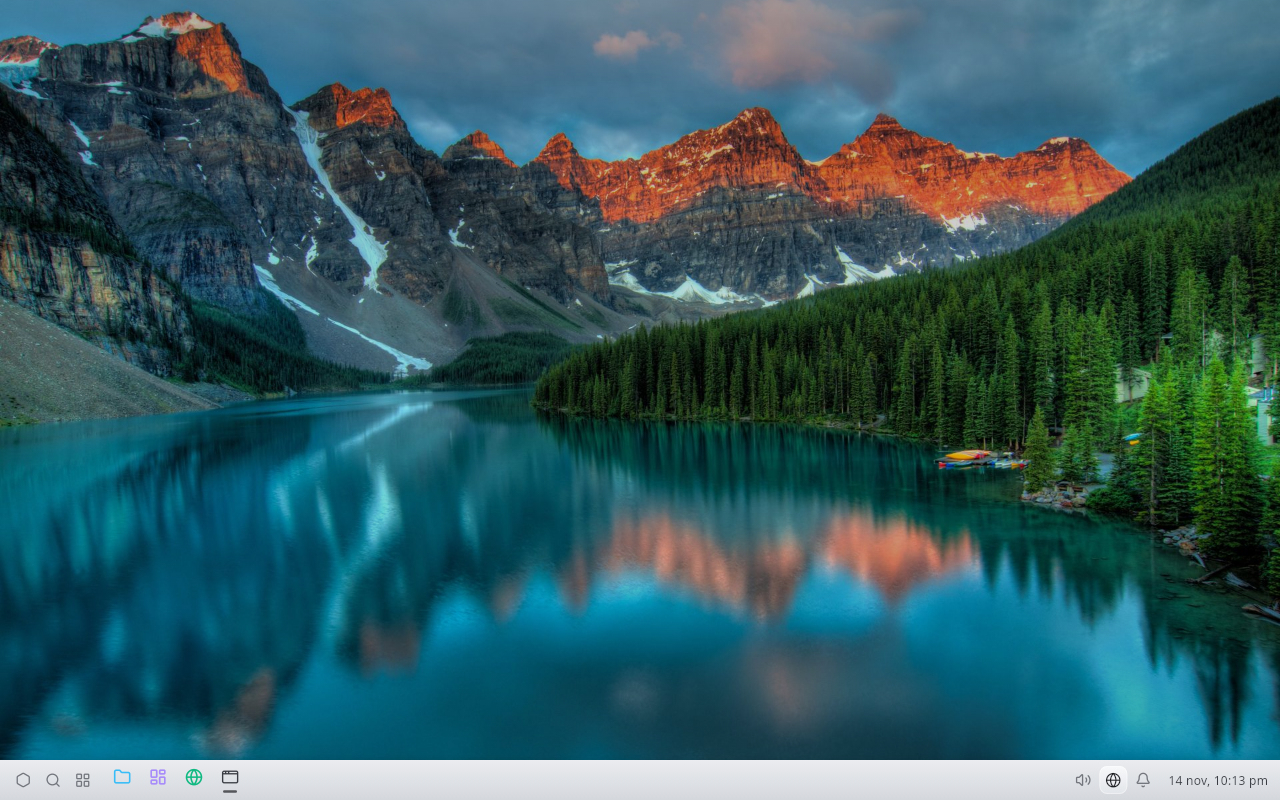
The dock, the wallpaper, every window and every app — all of it is drawn by one engine the OS carries with it. Software looks and feels like a single product instead of a collage of decades-old toolkits, and it renders at 60fps on the CPU alone. No GPU required.
Cortex
Intelligence, one level below the user.
On every other system, AI is an app — it sees a window and guesses at the rest. OSCortex is built around Cortex, the Dart kernel that sits under the desktop: it watches every process, owns every OS decision, and heals what breaks. The native substrate below it decides nothing.
Because the kernel is a managed language, the OS can rewrite its own policy live. Cortex runs the OS's decisions today; the AI that reasons about your machine on top of it is in active development, in the open on GitHub.
watch 5 apps · 12 cores · net ok
policy registry · auth · geometry · lifecycle
event terminal crashed → relaunched · 12ms
event update staged · verified → swapped live
the desktop never blinked
Six layers. Zero legacy.
From silicon to screen, every layer is written from scratch and small enough to read — tens of thousands of lines, not tens of millions.
- L6Flutter interfaceevery pixel · 60fps
- L5Dart kernel — Cortexevery OS decision · AI
- L4System servicespackages · updates · net
- L3Rust substratememory-safe · ~25k LOC
- L2Native driversNVMe · Ethernet · input
- L1HardwareUEFI · bare metal
~25k
substrate lines · Rust
<1.5s
cold boot
60fps
native render
42ms
live update swap
2
CPU architectures
100%
air-gappable
Download it. Boot it tonight.
Every tagged release auto-publishes here. Boot the ISO in QEMU, in a VM, or from a USB stick on a machine you own.
Loading releases…
ISO assets are unsigned previews · for testing, not production · run in a VM unless you know what you’re doing and have backed up your local drives
Frequently asked questions
No. OSCortex shares no code with Linux, Windows, or macOS. It is a new operating system: a kernel written in Dart running on a memory-safe Rust substrate, with a Flutter-native userspace on top. Nothing underneath is inherited.
Early access
Put OSCortex on a machine you own.
Request early access. We'll send you a build when your spot opens.
No spam · only kernel notes and release builds